

Ironman cramping is a real challenge many people face. You will find several posts on reddit or facebook groups about it. Its something you don’t realize how bad it is till it happens to you.
My first ironman was 12km into the run leg of my first Ironman when my quads seized up like someone had flipped a switch. One minute I was running. The next I was shuffling, trying to convince my legs they still worked. That was when I learned how to do the shuffle.
Ironman cramping hit me again at Ironman New Zealand. And again at the Perth Marathon at 26km. Three races, same story — my legs betraying me on the run. Maybe my first Ironman leg strength or muscle fatigue could of been blamed
If you’ve cramped during an Ironman, you know the feeling. It’s not a gentle warning. Its like DOMs you get after a gym workout but in middle of the workout.
I’ve spent the last few years trying to figure this out — through trial and error across multiple races, through reading the research, and through changing what I do in training. I was convinced it was not taking enough salt tablets as I’m a heavy sweater but now also wonder did I do not do enough training at race intensity as I do a lot of the distance but maybe not the intensity.
Here’s what I’ve learned about why triathletes cramp on the run leg, and what actually helps.
What I Thought Was Causing It
My theory kept evolving. After my first Ironman, I blamed fitness. I genuinely believed I hadn’t trained enough.
Not enough brick sessions.
Not enough stretching.
Not enough gym sessions.
After New Zealand, I blamed the bike. I’d pushed too hard and cooked my legs before the run even started. The heat didn’t help either.
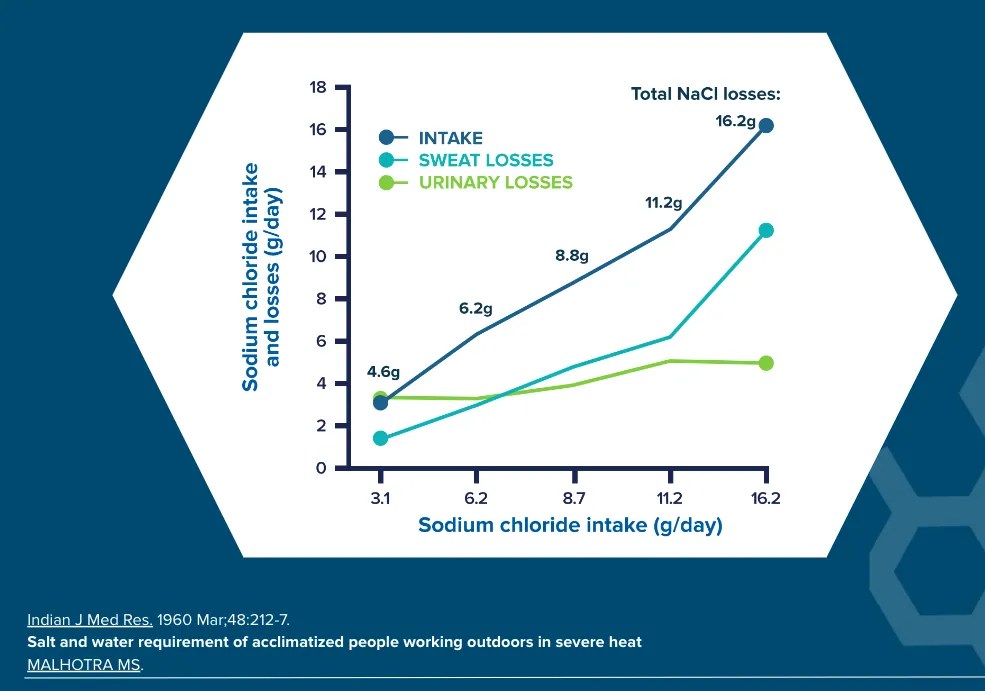
After Perth, I started thinking about salt. I’m a heavy sweater — always have been. On race day, the start of December in Western Australia I sweat buckets. I was taking electrolytes and 80g of carbs per hour on the bike, but I’d never been religious about salt tablets. Maybe that was it.
But here’s the thing — I was taking nutrition. I wasn’t riding on empty. And I still cramped. So the “you just need more salt” explanation never quite fit.
In my Ironman training tips post I wrote about how I wanted to “finally figure out how to stop cramping on the run.” I tried salt tablets, stretching apps, higher intensity training. Some of it helped. Some of it didn’t. But I was still guessing.
It turns out the research has been pointing to a different answer the whole time.
The Science: It’s Not Just Salt
Most triathletes blame cramping on dehydration or electrolyte depletion. It’s the dominant theory — pushed by sports drink companies, repeated in r/triathlon,
But the best research we have says something different.
The leading theory is called the neuromuscular fatigue hypothesis.
Here’s the short version: when your muscles fatigue, the normal balance between signals that tell muscles to contract and signals that tell them to relax gets disrupted. The contraction signals start winning. Your muscle locks up.
Exercise-induced muscle cramps are the bane of some athletes’ racing lives. Frustratingly, we do not have clarity on the precise cause of exercise-induced cramping. It has been suggested that cramps are caused by dehydration and/or electrolyte depletion through sweating, or by altered neuromuscular control caused by muscle fatigue. There is some suggestion that pickle juice is a useful strategy to mitigate cramping, as well as some data to suggest that adopting a realistic pacing strategy reduces the likelihood of muscle cramps. Cramping in Endurance Athletes
This explains a lot of what I experienced:
- Cramps hit on the run leg, not the bike — because the bike pre-fatigues your legs. By the time you’re running, you’re already starting from behind.
- Cramps were worse in the heat — because heat accelerates fatigue. Your muscles tire faster in hot conditions, full stop.
- Slowing down didn’t help once cramps started — because the damage was already done. The muscle was already too fatigued to recover mid-race.
- I cramped at Perth Marathon too, not just Ironman — because it’s not about the bike-to-run transition specifically. It’s about muscle fatigue, which can happen in any long, hot race.
The salt theory isn’t completely wrong. Heavy sweating and electrolyte loss can contribute.
But the evidence suggests it’s not the primary driver. A University of Cape Town study on Ironman cramping found no significant difference in electrolyte levels between athletes who cramped and those who didn’t.
James had a similar view that it is muscle fatigue but running more at race pace so your muscle can adapt to that effort.
Why the Run Leg Gets Hit Hardest
The salt depletion theory is a convenient explanation. It just doesn’t tell the whole story.
If cramping is about fatigue, it makes sense that the run leg is where it shows up. Here’s why:
You’ve just ridden 180km. Your legs have been working for 5-6 hours. The muscles that you need for running — quads, hamstrings, calves — are already partially fatigued from holding you on the bike and pushing watts.
Then you start running. Running uses the same muscles but in a different way — more impact, more eccentric loading, more demand on each fibre.
Add heat to that equation and your muscles fatigue even faster. Hot conditions mean your body is also working harder to cool itself, which means less blood flow to working muscles and more strain on everything.
I noticed this pattern clearly in my own racing. My best performances have all been in poor weather. At Busselton Ironman WA, the rain and headwind actually helped me — less sweating, less heat stress, and no severe cramping.
At Port Macquarie 70.3, I came close to cramping but didn’t, and I attributed it to running fitness rather than nutrition. That was a hint I should have followed sooner.
The bike sets the table. The heat accelerates it. The run is where it all catches up.
How to stop quad cramps immediately
Ironman number three I actually wasn’t cramping but had my hail mary first aid pack but Charmaine a friend from Perth Tri Club who started getting cramps.
Here’s what I’ve learned through trial and error — backed by the research — about managing Ironman cramping.
Preventive Beats Reactive
The single most important lesson: once cramps lock in, you can’t fix them mid-race. I’ve tried slowing down, stretching, Deep Heat, Panadols. Nothing reverses a full cramp once it’s taken hold.

What does work is catching it early. I carry Crampfix and pickle juice in my race belt and take them when I feel cramps coming on — not after they’ve arrived. At one Ironman, I took pickle juice at T2 before the run even started. I felt sick for the first few kilometres, but I didn’t cramp. That trade-off was worth it.
The Pickle Juice Paradox
Here’s something most people don’t know: pickle juice probably doesn’t work because of the salt. Research suggests it works through a neural reflex — compounds in the juice trigger receptors in your mouth and throat that send a signal to your nervous system to relax the cramping muscle. It’s a neural shortcut, not a sodium replacement.
This actually supports the neuromuscular fatigue theory. If cramping were purely about electrolyte levels, pickle juice would take 30+ minutes to absorb and distribute. But athletes report relief in seconds — too fast for digestion to be the mechanism.
So when Crampfix or pickle juice helps, it’s not replacing salt. It’s interrupting the neural signal that’s telling your muscle to contract. Different mechanism, same result.
Bike Pacing Matters More Than You Think
Going too hard on the bike is the fastest way to guarantee run-leg cramps. At Ironman New Zealand, I pushed watts I hadn’t trained at and paid for it within the first few kilometres of the run.
At Busso 100, I controlled my bike intensity and carried Crampfix — and I didn’t cramp. At Busselton Ironman, I eased off every time my power went over 200W. I still cramped slightly at 30km, but I maintained pace. That’s the difference between managing cramps and being destroyed by them.

Strength Work Is the Closest Thing to a Cure
If neuromuscular fatigue is the root cause, then building fatigue-resistant muscles is the best prevention. I now do leg-focused strength work twice a week — single-leg wall squats, Bulgarian split squats with heel raises, hip activations.
In my AI Marathon Coach post, I wrote: “That cramping hasn’t happened in a long time so I think the strength work really helped.” That’s still true. Strength work builds the resilience your muscles need to delay the fatigue that triggers cramping.
It’s not exciting. It’s not a magic pill. But it’s the one intervention that targets the actual cause rather than the symptoms.
Stretching Helps — But Don’t Expect Miracles
At Busso 100, I added regular stretching alongside strength work. I used the Pliability and Dynamic Triathlete apps, and it was the first race where I didn’t cramp.
Was it the stretching alone? No. It was the combination — strength work to build resilience, stretching to maintain range of motion, and better bike pacing to reduce pre-fatigue.
But I’ll be honest — I could still do more stretching. It’s the first thing that drops off when training gets busy.
What I’d Tell a First-Timer Ironman
If you’re doing your first ironman and worried about cramping, here’s the priority list:
1. Strength train consistently — twice a week, leg-focused. This is non-negotiable.
2. Control your bike intensity — if you’re pushing harder than your training, you’re cooking your run legs.
3. Carry Crampfix or pickle juice — take it preventively when you feel tightness, not after cramps lock in.
4. Know your heat tolerance — if you cramp in hot conditions, plan your cooling strategy. Ice in your cap, cold sponges at aid stations.
5. Don’t obsess over salt tablets — they can help, but they’re not the silver bullet everyone claims.
The order matters. Strength work first. Pacing second. Nutrition third. Crampfix as insurance.
The Honest Truth Ironman Cramping
I’m not going to pretend I’ve solved cramping completely. I haven’t. It’s a complex problem with multiple contributing factors, and every race is different.
But I’ve gone from cramping badly in three consecutive races to mostly managing it — through strength work, smarter bike pacing, and preventive use of Crampfix and pickle juice.
The science backs up what I’ve been finding through trial and error: it’s about fatigue management, not just salt.
The next time your legs seize up at kilometre 12, don’t just reach for the salt tablets. Ask yourself whether your legs were already cooked before you started running.
That’s where the real problem usually starts.
What causes cramping during an Ironman?
The leading research points to neuromuscular fatigue as the primary cause — not dehydration or electrolyte depletion as commonly believed. When muscles become fatigued, the signals that control contraction and relaxation become imbalanced, causing the muscle to lock up. Heat, bike intensity, and inadequate strength training all accelerate this fatigue.
Does taking salt tablets prevent cramping?
Salt tablets can help if you’re a heavy sweater, but the evidence doesn’t support them as the primary prevention method. A University of Cape Town study on Ironman athletes found no significant difference in electrolyte levels between those who cramped and those who didn’t. Strength training, bike pacing, and preventive use of Crampfix or pickle juice are more effective strategies.
Why do cramps always happen on the run leg?
The bike leg pre-fatigues the muscles you need for running. After 180km of riding, your quads, hamstrings, and calves are already partially fatigued. Running then adds impact and eccentric loading, which pushes already-tired muscles past their threshold. Heat makes this worse by accelerating fatigue.
Does pickle juice actually stop cramps?
Yes, but probably not for the reason you think. Research suggests pickle juice works through a neural reflex — compounds in the juice trigger receptors in the mouth and throat that signal the nervous system to relax the cramping muscle. It’s not the sodium content that provides relief. This is why athletes report improvement within seconds, faster than digestion could explain.
Can strength training prevent Ironman cramping?
Strength training is the most effective long-term prevention strategy. If neuromuscular fatigue is the root cause, building fatigue-resistant muscles directly targets that cause. Focus on single-leg exercises like Bulgarian split squats, wall squats, and hip activations. Twice a week is sufficient.
Why do I cramp in hot races but not in cold ones?
Heat accelerates muscle fatigue. In hot conditions, your body diverts more blood to the skin for cooling, which means less oxygen and fuel reaching your working muscles. This causes faster fatigue, which triggers the neuromuscular imbalance that leads to cramping. Athletes who cramp in heat often perform significantly better in cooler or wet conditions.
What should I carry on race day for cramps?
Carry Crampfix or pickle juice in small bottles on your race belt, plus Deep Heat for topical application. Take Crampfix preventively when you feel tightness coming on — it’s far more effective as a preventive measure than as a treatment once cramps have locked in. The ironman race day checklist covers the full kit.